
Industry, commerce or services, with a business plan and at least five formal jobs.
Investor Gateway · Paraguay 2026
Capital in context.
An independent path to understanding where to look, which incentives exist and what to verify before moving capital. No promises of returns. No sales opportunities disguised as content.
4 verified routesProductive, financial, real estate and tourism investment.
A map, not a cataloguePublic sector insights and criteria; specific transactions require an agreed mandate.
A clear boundaryFree to explore. Premium to decide. Support to execute.
In force · 2026A new gateway
Paraguay Investor Pass.
Resolution No. 0283/2026 updated the conditions for obtaining the Foreign Investor Certificate (CIE), which allows an application for permanent residency without first holding temporary residency.
The four official routes01 · Productive investmentFrom US$70,000 02 · Financial investmentFrom US$200,000 03 · Real estateFrom US$200,000 04 · TourismFrom US$150,000
There is no single entry threshold, and not every route requires running a business. Assets, permitted uses and obligations vary by route.
Financial instruments; no employment or business venture requirement, with a stated minimum holding period of two years.
For economic use; personal or family use is excluded. No employment or business plan requirement.
A project serving national tourism, with a business plan and technical monitoring.
The distinction that matters: the CIE is not residency. It enables a direct immigration application, which has its own file, checks and decision. Background checks, source of funds and compliance with the investment must also be documented.
01 · Opportunity map
Where to look. Not yet what to buy.
The free map explains why a sector deserves analysis and its main checkpoint. Selecting assets, projects and counterparties belongs to a defined professional engagement.

Real estate.
Residential and commercial assets can combine income, capital preservation and local exposure. The case depends on the micro-location, title, total costs, absorption and exit—not just the price per square metre.
Verify · title · demand · net income · liquidity

Agriculture and livestock.
Soybeans, grains and beef are part of the country's long-standing export base. Sophisticated opportunities often lie in services, traceability, logistics and processing as well as production.
Verify · soil · climate · animal health · market · operator
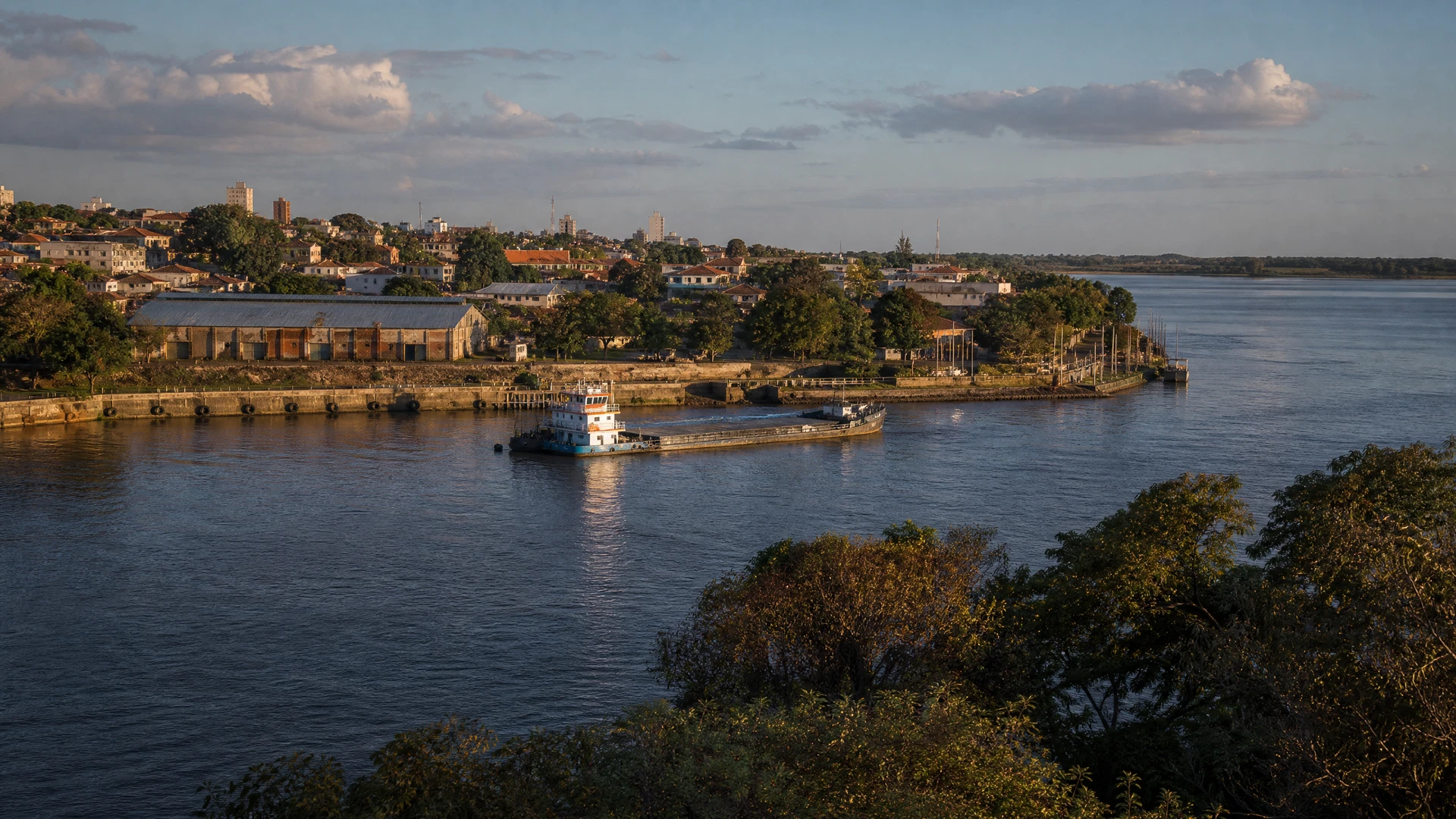
Agribusiness.
Moving from primary production into food, processed meat, oils and other higher-value products is an explicit REDIEX priority.
Verify · inputs · scale · certification · exports

Industry and maquila.
Competitive costs, energy and regional access underpin the case. The maquila regime may be relevant to export-oriented production, subject to approval and a genuine operating structure.
Verify · destination market · origin · employment · regime
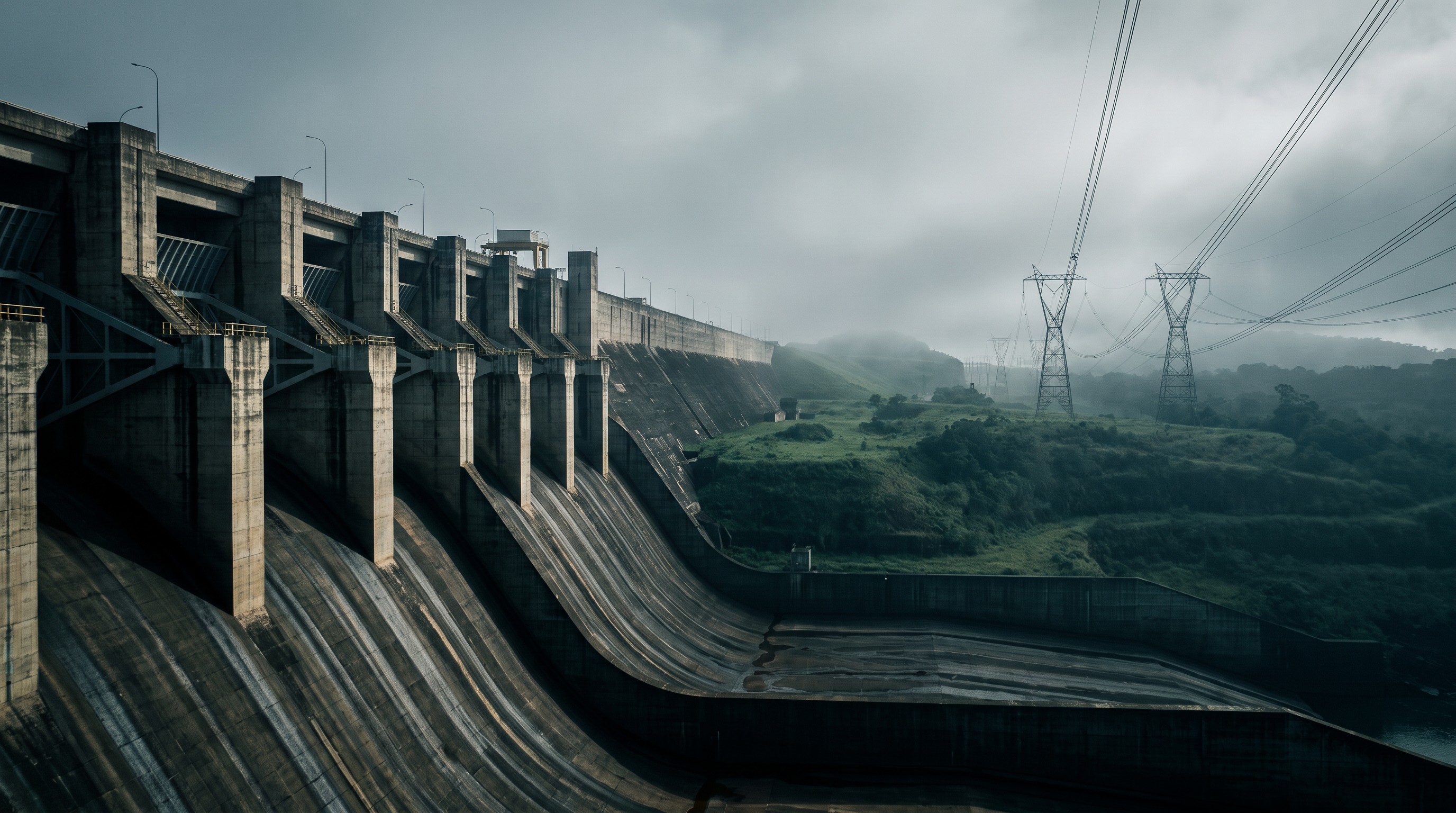
Logistics and infrastructure.
Waterways, road corridors and the power grid connect productive opportunities. Last-mile access and the exact capacity of the site determine the case.
Verify · node · permit · capacity · schedule
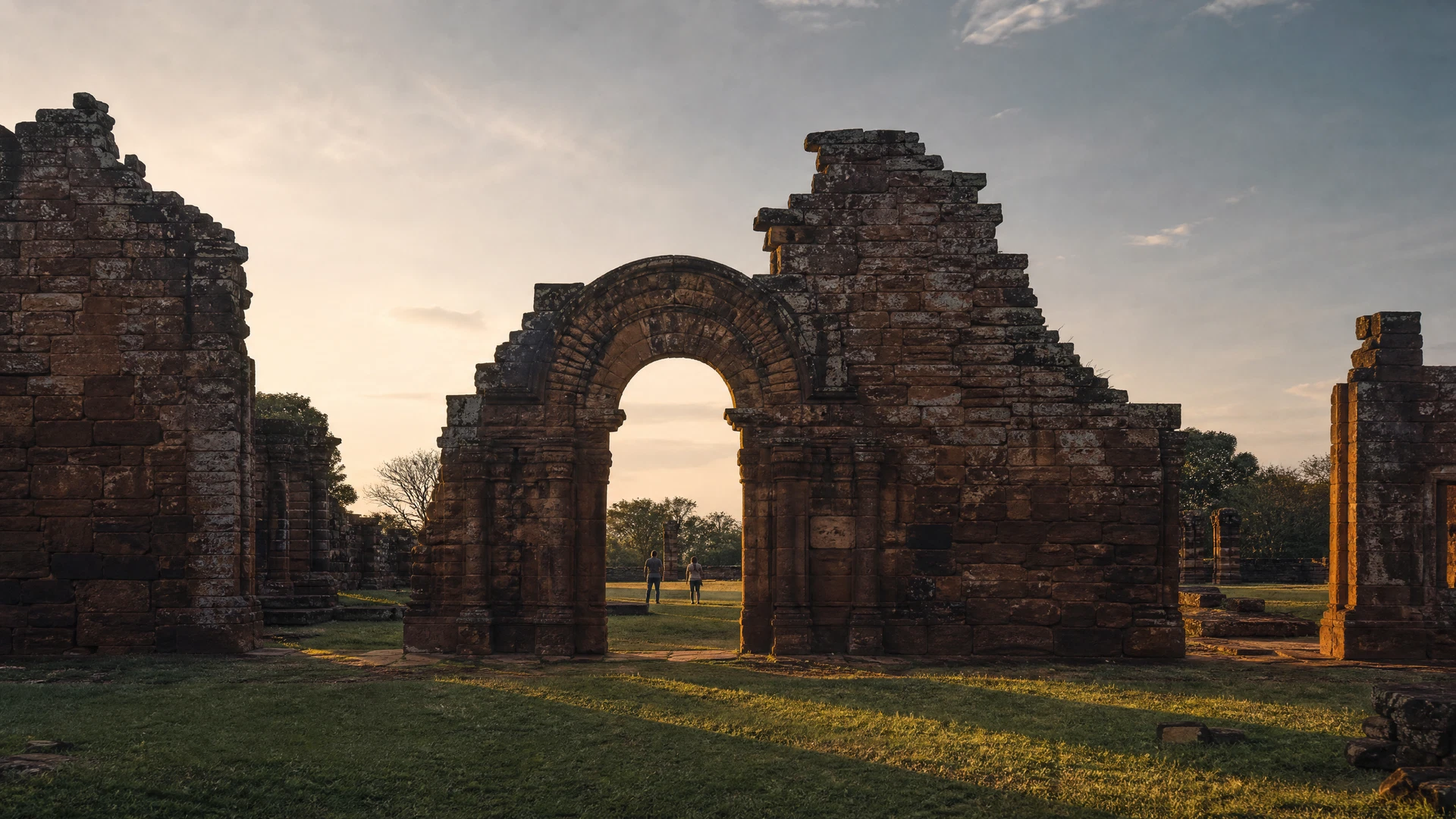
Tourism and hospitality.
A specific Investor Pass route starting at US$150,000. Immigration eligibility does not replace the project's commercial viability.
Verify · demand · operator · licences · seasonality
02 · The capital cycle
How your capital enters, operates and exits.
The sequence is free because essential questions should not sit behind a paywall. Models, comparison tools and a specific structure require greater depth.
Suitability
Objectives, time horizon, liquidity and risk tolerance.
Structure
Individual, company, vehicle and jurisdictions involved.
Entry
Bank, source of funds, currency, contract and traceability.
Operation
Governance, permits, taxes, administration and oversight.
Monitoring
Net cash flow, milestones, concentration and early warnings.
Exit
Buyer, timing, costs, repatriation and downside scenario.
Free: the map and the questions. The Guide: matrices, scenario models and checklists. Professional support: structure, opportunities and execution tailored to your capital.
03 · Public incentives
Learning about a regime is free. Qualifying is not automatic.
We explain the instruments because they are part of the country context. Suitability and eligibility are assessed project by project.
Investor Pass
Four investment routes linked to the CIE and direct access to permanent residency. This is not citizenship or automatic approval.
Law 60/90
May provide benefits related to approved investments and capital goods. The project, goods and schedule must formally qualify.
Maquila
A regime for export-oriented production, with a 1% Single Maquila Tax on the base established by the regime, subject to specific approval.
SUACE
A one-stop system for business formation, closure and procedures; it also participates in verifying Investor Pass investment compliance.
04 · Real risks
Explain the opportunity. Plan for the risk.
The risk overview is public. Sector matrices, scenarios and the review of a specific transaction belong to more detailed levels of support.
Title, permits and contracts.
Which document proves the right, which authority must authorise it and what remedy is available if the counterparty defaults.
Liquidity and exit.
Who might buy, how long it could take and what discount an exit before the planned horizon might require.
Comparable scenarios.
Sector risk matrices, cash-flow sensitivity, total costs and due diligence checklists.
Transaction-specific risk.
Counterparties, assets, structures, documents and execution reviewed with the appropriate specialists.
05 · Real estate investment
The asset is not the investment thesis.
Buying well means separating three questions: whether Paraguay fits, whether the micro-location fits, and whether this property—with this price, contract and exit—fits.
Foreign ownership, applicable restrictions, title procedures, cost categories and due diligence questions.
Neighbourhoods, net income, vacancy, expenses, developers, completed versus off-plan property and exit scenarios.
Mandated search, shortlisting, viewings, negotiation and coordination of document reviews.
Legal, tax and technical reviews are performed by appropriately licensed professionals within the scope of each transaction.
Looking for a property or an investment thesis?
First, we define the objective, time horizon and exit. Only then do we look at specific assets.
06 · The value boundary
We share the context. We protect the applied work.
This distinction avoids two problems: empty content designed only to generate an enquiry, and case-specific support presented as universal information.
Country overview.
To decide whether a deeper look is worthwhile.
- Investor Pass and official incentives
- Economic drivers and sectors to research
- The capital cycle and basic risks
- Sources, dates and gaps
Tools.
To compare alternatives using a common method.
- Sector matrices
- Income and scenario models
- Due diligence checklists
- Criteria for banks, neighbourhoods and investment vehicles
Your transaction.
To apply the framework to real capital, assets and counterparties.
- Assessment and strategy
- Opportunities under mandate
- Property selection and negotiation
- Professional coordination and execution
Questions before moving forward
The six that frame an investment.
What do I want to achieve?
Income, preservation, residency, operations, diversification or an explicit combination.
How long can I wait?
Investment horizon, setup timeline and tolerance for a slow exit.
Where is the risk?
Asset, counterparty, regulation, execution, currency, concentration or liquidity.
What is the net return?
After taxes, vacancy, maintenance, management, financing and exit costs.
Who is in control?
Who signs, manages, reports, holds documents and responds when things go off track.
How do I exit?
Likely buyer, secondary market, costs, restrictions and a backup plan.